
The Catalina Foothills region of Tucson presents unique roach control challenges due to its arid environment, attracting German and desert cockroaches. Effective strategies involve integrated pest management (IPM) combining natural methods like sealing entry points, improved sanitation, bait stations, peppermint oil, and diatomaceous earth with targeted pesticides. Regular monitoring and rapid response are crucial.
Roach exterminator Tucson naturally services evolve towards eco-friendly solutions, including deploying beneficial insects, modifying environments through cleaning and waste management, and using natural repellents. These methods achieve effective control while minimizing ecological impact.
Catalina Foothills businesses face a persistent challenge: roach infestations. These unwelcome intruders not only damage property but also pose health risks to customers and employees. In the heart of Tucson, where natural environments meet urban landscapes, effective yet sustainable roach control becomes paramount. This article delves into the intricate world of commercial roach exterminator services in Tucson, specifically focusing on natural approaches. We explore how professional technicians utilize their expertise and eco-conscious methods, such as targeted treatments and habitat modifications, to deliver lasting solutions without compromising safety or environmental integrity.
- Understanding Catalina Foothills Roach Infestations & Exterminator Strategies
- Natural Solutions for Commercial Roach Control in Tucson by Local Experts
Understanding Catalina Foothills Roach Infestations & Exterminator Strategies
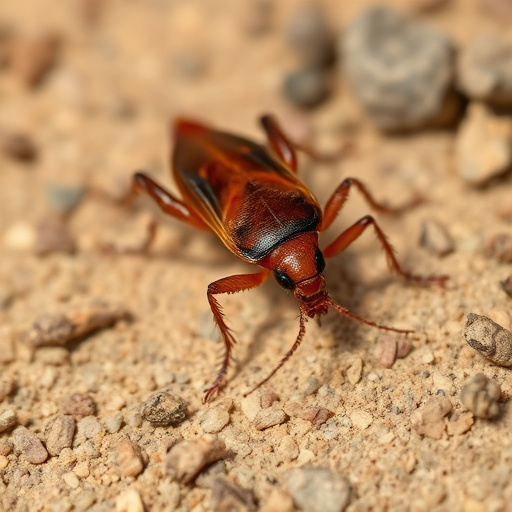
The Catalina Foothills region of Tucson presents a unique set of challenges for commercial property managers when it comes to roach control. This arid, semi-desert environment attracts a variety of roach species, including the common German cockroach and the less familiar desert cockroach. These insects are not only a nuisance but can also pose significant health risks by serving as vectors for diseases such as salmonella and E. coli. Understanding the behavior and life cycles of these pests is crucial in implementing effective roach exterminator Tucson strategies.
Roach infestations thrive in environments with consistent moisture and food sources, making commercial kitchens and food processing facilities particularly vulnerable. The desert cockroach, for instance, prefers drier conditions but can still flourish in buildings with leaky pipes or poorly maintained structures. A study by the University of Arizona revealed that proper sanitation and regular inspections are key to preventing roach infestations. Professional roach exterminators in Tucson often employ integrated pest management (IPM) strategies, combining natural methods like sealing entry points, improving sanitation, and using bait stations with targeted applications of synthetic pesticides when necessary.
In terms of natural solutions, a roach exterminator Tucson experts recommend utilizing plant-based repellents such as peppermint oil or diatomaceous earth. These products can be effective in deterring roaches without the use of harsh chemicals. Regular monitoring and rapid response are also vital components of successful IPM programs. By combining these strategies, commercial property managers can create an inhospitable environment for roaches while minimizing reliance on traditional pesticides, contributing to a healthier ecosystem and safer working conditions.
Natural Solutions for Commercial Roach Control in Tucson by Local Experts
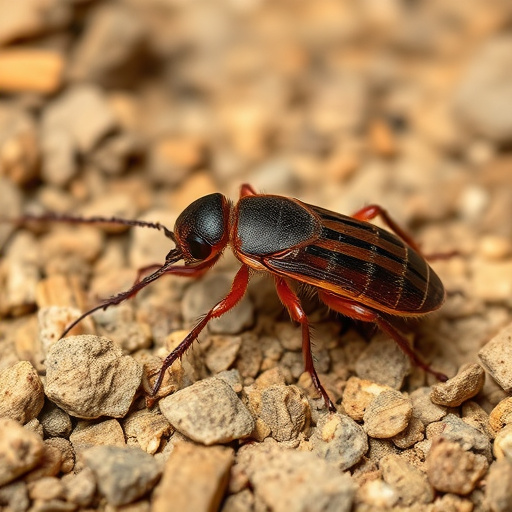
When it comes to commercial roach control in Tucson, many property managers and business owners are increasingly seeking natural solutions that not only effectively manage roach infestations but also prioritize safety and environmental sustainability. Traditional chemical treatments, while powerful, can pose risks to human health and local ecosystems. Fortunately, local experts in roach exterminator Tucson naturally have stepped up to offer innovative, eco-friendly alternatives.
One of the most promising natural solutions involves utilizing beneficial insects like predator bugs, such as nixies and mantis, which feed on roaches. These biological control agents can be deployed in strategic locations throughout commercial properties to target and reduce roach populations without resorting to harmful chemicals. For instance, a study conducted by the University of Arizona found that combining predator bug releases with targeted baiting significantly reduced cockroach numbers in food-handling facilities over a six-month period.
Additionally, modifying environmental conditions can go a long way in preventing roach infestations. Regular cleaning and sanitation practices, proper waste management, and sealing entry points can create an inhospitable environment for roaches. Collaborating with commercial cleaners who embrace green cleaning practices and employing natural repellents like citrus oils or peppermint extracts can further deter these pests. By combining these natural strategies, businesses can achieve effective roach control while minimizing their ecological footprint.
Catalina Foothills roach infestations demand strategic, effective solutions, especially for commercial properties. This article has provided an insightful guide to understanding these persistent pests and offers a balanced approach to control. By exploring both traditional exterminator strategies and natural solutions from local experts, readers now possess a comprehensive toolkit. The key takeaways include the importance of proactive measures, the effectiveness of integrated pest management, and the growing appreciation for eco-friendly methods, particularly with the renowned Tucson roach exterminator services that specialize in natural approaches. Armed with this knowledge, property managers can make informed decisions to protect their commercial spaces from roach invasions, ensuring a safer, healthier environment for tenants and enhancing the overall reputation of their business.