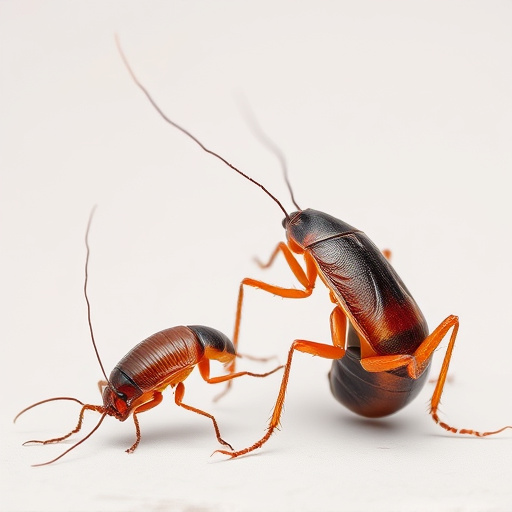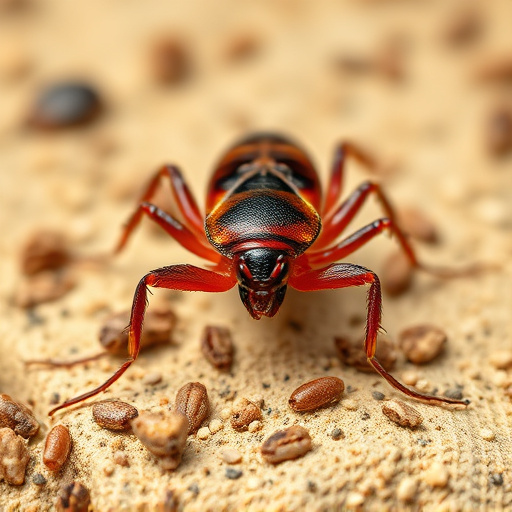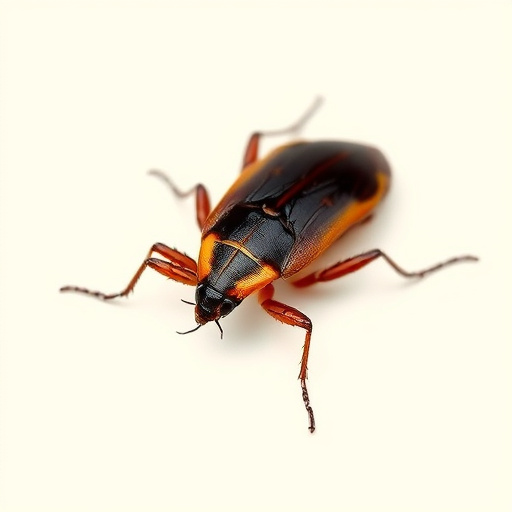
Understanding cockroach behavior is crucial for accurate species identification by Tucson's roach exterminators. Key species include German (small, light brown with dark stripes), American (larger, dark brown/black cylinder), and Oriental (up to 3/4 inch, lighter upper body, darker lower abdomen). Environmental cues like humidity and temperature influence their distribution. Regular inspections in kitchens and bathrooms aid identification.
Professional roach exterminator Tucson naturally services employ advanced techniques like DNA sequencing for precise control. Targeted treatments, preventive measures (cleanliness, sealing gaps, securing food, natural deterrents), and community sanitation are key to effective, eco-friendly control alongside professional services.
Roaches are a common pest problem facing many Tucson homes and businesses. Accurately identifying these insects is crucial for effective roach control, as different species require specific management strategies. However, distinguishing between similar-looking species can be challenging for non-experts. This article provides an in-depth guide to roach species identification, empowering residents of Tucson to make informed decisions when dealing with these pests. By understanding the unique characteristics of each species, homeowners and professionals alike can consult with a reputable roach exterminator Tucson naturally, ensuring targeted and sustainable pest management solutions tailored to their specific needs.
- Understanding Roach Behavior: A Key to Identification
- Visual Guide: Recognizing Common Roach Species in Tucson
- Natural Remedies vs. Professional Roach Exterminator Tucson
- The Science Behind Roach Identification Techniques
- Preventive Measures: Stop Roaches Naturally in Their Tracks
Understanding Roach Behavior: A Key to Identification
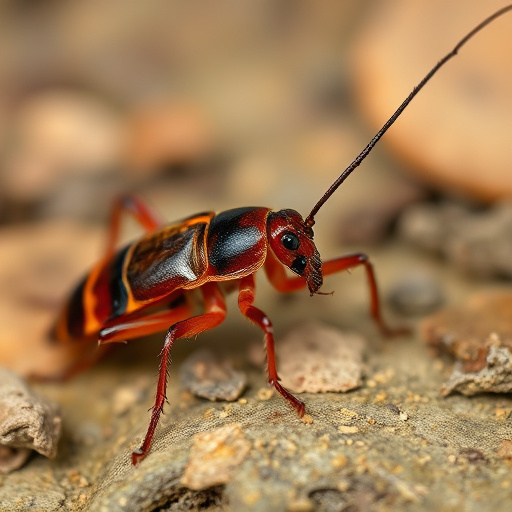
Understanding the behavior of roaches is a critical aspect of effective identification, especially for those relying on eco-friendly methods like those offered by a roach exterminator Tucson naturally focused service. These insects exhibit distinct patterns and habits that can serve as reliable indicators of their species. For instance, the German cockroach, a common invader of residential and commercial spaces, is known for its rapid breeding cycle and preference for warm, humid environments. A trained eye might notice their distinctive wing arrangement—fully developed wings that are usually kept folded over their backs when at rest.
Behavioral characteristics also include their feeding patterns; German cockroaches are omnivores, consuming a wide range of foods, from starchy items like cardboard and paper to sweet substances and even hair and fabric. This diverse diet can leave behind telltale signs, such as small piles of discarded fragments in infested areas. In contrast, the American cockroach, often found outdoors but capable of infiltrating homes, exhibits a more cautious demeanor. They are typically seen during nighttime hours and prefer secluded spaces like dark corners and voids, making their presence less immediately apparent compared to their German counterparts.
The key for both laypeople and professionals lies in observing these behaviors systematically. Regular inspection routines, especially in areas prone to infestation, can reveal critical clues about the roach species present. For instance, locating egg cases or observing the behavior of mature roaches around potential food sources provides valuable data for accurate identification. This knowledge empowers homeowners and exterminators alike to implement targeted control measures, ensuring that efforts are not only effective but also environmentally considerate, aligning with the principles of a roach exterminator Tucson naturally oriented service.
Visual Guide: Recognizing Common Roach Species in Tucson
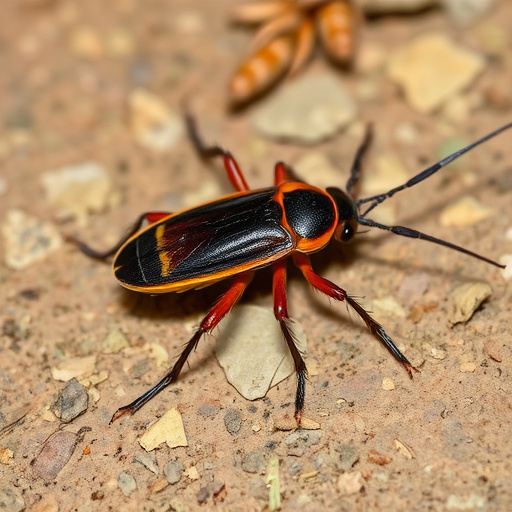
In Tucson, homeowners often face roach infestations, necessitating effective identification strategies to address the issue promptly. Recognizing common roach species is a crucial step for any roach exterminator Tucson residents rely on. Among the most prevalent are the German cockroach, American cockroach, and the Oriental cockroach—each with distinct visual characteristics that aid in their differentiation. The German cockroach (Blattella germanica) is easily identifiable by its small size, approximately 1/2 inch long, and a flat, oval shape. Its light brown coloration and dark stripes along the antennae make it instantly recognizable. The American cockroach (Periplaneta americana), on the other hand, is larger, growing up to 1 inch in length, with a more cylindrical body structure and a distinctive dark brown or nearly black coloration.
The Oriental cockroach (Blatta orientalis) stands out for its size, reaching up to 3/4 inch in length, and its unique color pattern consisting of a lighter brown upper body and darker lower abdomen. Unlike their close relatives, these roaches have a more flattened appearance. Tucson’s specific environmental conditions can influence the distribution and prevalence of these species. For instance, data from local pest control services indicates that the German cockroach is particularly prevalent in urban areas with high population density, while American cockroaches tend to flourish in warmer, more humid parts of the city.
Practical advice for homeowners involves regular inspections, focusing on kitchens and bathrooms, where roaches are most likely to establish nests. Look for signs like droppings (which resemble small black seeds), eggs cases (small brown capsules), or live insects. If you suspect a roach infestation, contacting a reputable roach exterminator Tucson offers is essential. Professionals equipped with advanced knowledge and eco-friendly methods can provide tailored solutions, ensuring effective control without compromising the health of your family or pets.
Natural Remedies vs. Professional Roach Exterminator Tucson
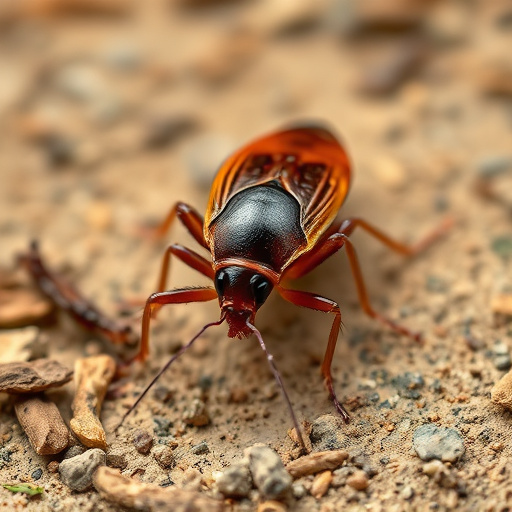
Dealing with roach infestations can be a challenging task, but homeowners have several options to choose from when it comes to roach control. One extreme stands in contrast to natural remedies: hiring a professional roach exterminator Tucson. While DIY methods and natural approaches can be effective for minor issues, persistent or severe infestations often require the expertise of a licensed professional.
In Tucson, where climate conditions favor year-round pest activity, a comprehensive understanding of roach behavior is crucial. Professional roach exterminators Tucson naturally employ advanced strategies tailored to local species like the German cockroach, one of the most common pests in urban areas. These methods include detailed inspections, targeted treatments, and preventive measures designed to eradicate existing populations and deter future infestations. For instance, professionals may use a combination of insect growth regulators, baits, and residual pesticides, ensuring minimal environmental impact while maximizing efficiency.
Data from local pest control services reveals that proactive treatment plans can reduce roach population by up to 95% within a few months. This is significantly higher than the success rates of natural remedies, which often struggle to eliminate all roaches due to their limited reach and potential for missed nests or eggs. However, it’s important to note that some natural methods, such as sanitation practices and sealants, form integral parts of a multi-faceted approach and should be implemented alongside professional services for optimal results.
The Science Behind Roach Identification Techniques
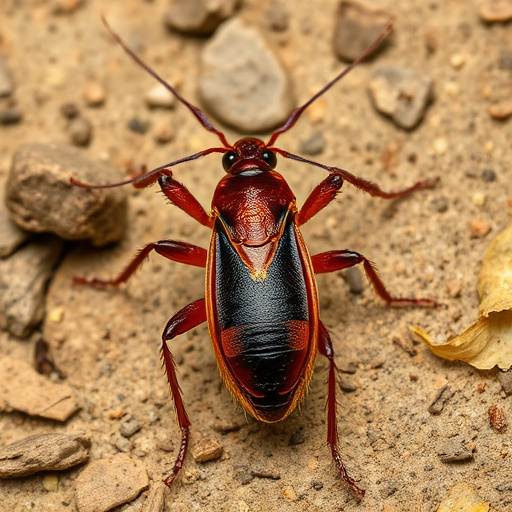
Roach species identification is a meticulous process requiring a blend of scientific knowledge, keen observation, and practical experience. Roaches belong to the family Blattidae, encompassing over 4,500 known species worldwide, with varying sizes, shapes, and distinct characteristics. A roach exterminator in Tucson faces a diverse array of pests, making accurate identification crucial for effective treatment strategies. The science behind these techniques involves careful examination of physical traits, behavioral patterns, and environmental cues that differentiate one species from another.
For instance, the German cockroach (Blattella germanica), a common urban pest, possesses a flat, oval-shaped body with light brown coloration and distinct wing pads. In contrast, the American cockroach (Periplaneta americana) is larger, with a more cylindrical body, reddish-brown color, and well-developed wings. These physical attributes serve as foundational markers for initial identification. Moreover, behavioral observations can provide critical insights; some species prefer warm, moist environments, while others thrive in dry, secluded areas. Roaches also leave behind unique scent trails and exoskeleton debris that can aid in species determination.
Advanced techniques employ molecular analysis, utilizing DNA sequencing to identify roach species with unparalleled accuracy. This method is particularly valuable for differentiating closely related species or those with similar appearances. Data from such studies has revealed surprising diversity within cockroach populations, challenging previously held notions about their taxonomy and distribution. For a Tucson-based roach exterminator, staying abreast of these scientific advancements ensures the most precise and effective control strategies, catering to the specific needs of diverse roach species while promoting environmentally responsible pest management practices.
Preventive Measures: Stop Roaches Naturally in Their Tracks
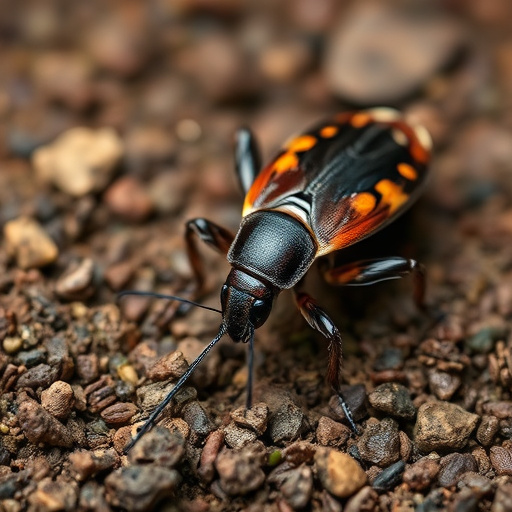
Preventive measures are key to stopping roaches naturally where they proliferate most—in homes and commercial spaces. A proactive approach, centered around cleanliness and environmental modifications, can significantly deter these persistent pests. Roach exterminators in Tucson, Arizona, emphasize that understanding their behavior is as crucial as implementing effective strategies. Roaches thrive in dark, moist environments with readily available food sources. By maintaining a clean space, eliminating potential hiding spots, and modifying the environment to reduce moisture levels, you create an inhospitable atmosphere for roaches.
Regular cleaning routines, including scrubbing floors, mopping hard-to-reach corners, and sanitizing surfaces, disrupt their feeding patterns. Sealing gaps and cracks around pipes, windows, and doors prevents access points, as roaches can fit through remarkably small spaces. Additionally, keeping food securely stored in airtight containers and promptly cleaning up spills or crumbs removes attractive scents that guide these nocturnal insects. Natural deterrents like lemon peels, cinnamon, cloves, and peppermint oil have proven effective; their strong odors mask human smells and may repel roaches.
Community efforts are also vital. Effective waste management practices, proper sanitation in public spaces, and shared knowledge about preventive measures can significantly reduce roach populations. Collaborating with neighbors or local pest control experts to identify and address common problem areas further strengthens these natural defenses against roaches. By combining individual diligence and community involvement, it becomes possible to create a roach-unfriendly environment that keeps these pests at bay naturally.
By equipping readers with a comprehensive understanding of roach behavior, this article offers a multi-faceted approach to identifying and managing these pests effectively. Recognizing visual cues is a crucial first step, as outlined in our visual guide to Tucson’s common roach species. Balancing natural remedies and professional knowledge, such as that provided by a roach exterminator Tucson naturally focused service, allows for informed decision-making. The science behind identification techniques ensures precision, while preventive measures offer long-term solutions. By synthesizing these insights, readers can take proactive steps to protect their spaces, leveraging both traditional and natural methods for optimal roach control.