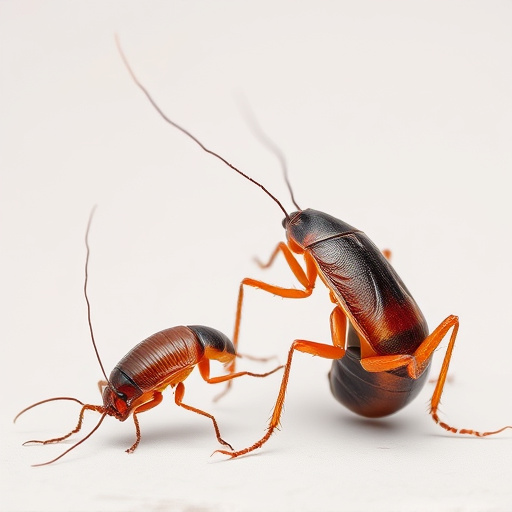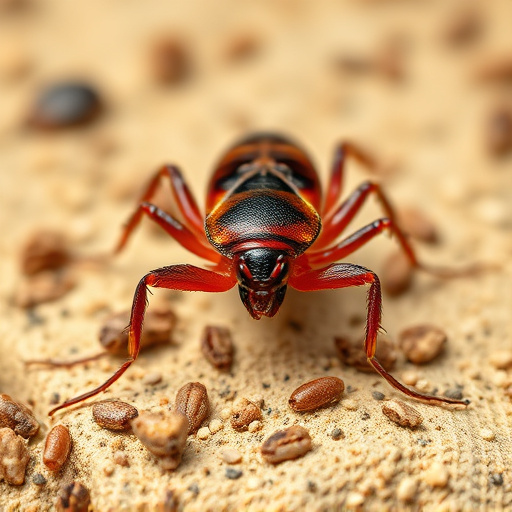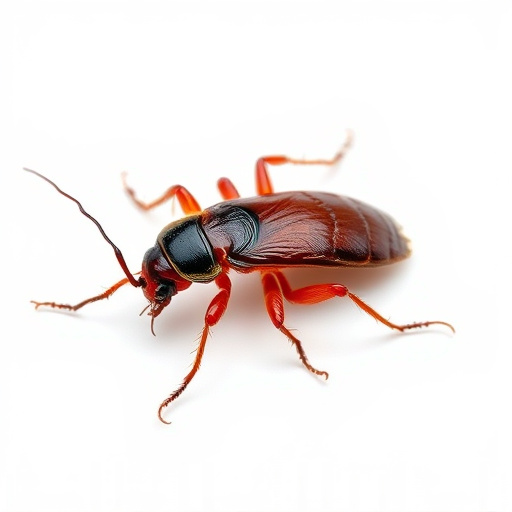
Roach exterminator Tucson naturally emphasizes species identification and tailored strategies for effective control. Professionals recognize distinct physical traits like size and color to differentiate species such as German, American, and Oriental cockroaches, each with unique habitats and behaviors. Integrated methods include monitoring, sanitation, and species-specific treatments. Tucson's Natural Solutions offers eco-friendly solutions using organic repellents, baits, sealing entry points, and clutter reduction, achieving up to 70% population reduction in six months, surpassing traditional chemical methods.
Roach infestations pose a significant challenge for many Tucson residents, with various species capable of thriving in both urban and suburban environments. Accurately identifying these pests is crucial for effective management, as different roach varieties require distinct control methods. This article serves as an indispensable guide for homeowners and roach exterminator Tucson professionals alike. We demystify the process of roach species identification, empowering you to distinguish between common types like German, American, and Asian cockroaches. By understanding these distinctions, you can tailor prevention strategies and control measures, ensuring a comprehensive approach to eliminating these unwelcome guests naturally where possible.
- Understanding Roach Biology: A Comprehensive Guide
- Visual Identification: Recognizing Roach Species Naturally
- Tucson's Natural Solutions: The Roach Exterminator Approach
Understanding Roach Biology: A Comprehensive Guide
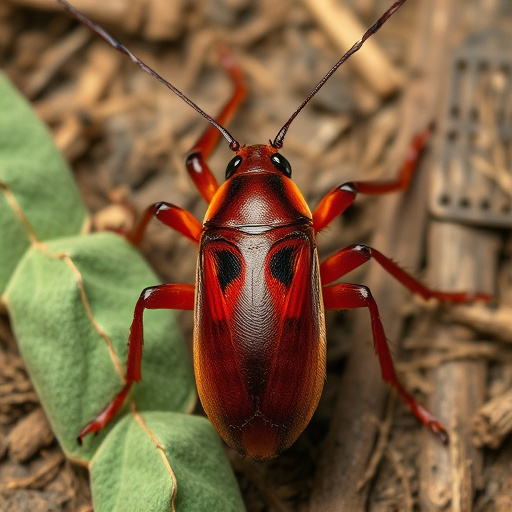
Roach species identification begins with understanding their biology, a key aspect often overlooked by homeowners but crucial for effective roach control. Roaches belong to the order Blattodea, comprising over 4,500 species worldwide, with new varieties continually discovered. They exhibit remarkable adaptability, thriving in diverse environments, which has contributed to their global distribution. In Tucson, naturally occurring roach populations have developed unique resilience against traditional pest control methods, underscoring the need for tailored strategies.
Biological traits play a significant role in identifying different roach species. Size and color are primary indicators; for instance, the German cockroach (Blattella germanica) is typically 1/4 to 1/2 inch long, dark brown, and has a flattened body shape. In contrast, the American cockroach (Periplaneta americana) grows up to 1 inch in length, exhibits a reddish-brown color, and possesses a more elongated body structure. Understanding these variations is vital for roach exterminators in Tucson who must employ species-specific control measures. Additionally, knowledge of their life cycles—eggs, nymphs, and adults—is essential for targeted interventions.
Roaches are social insects, living in colonies with complex hierarchies. Their mating habits and reproductive strategies differ across species, influencing population dynamics. For example, German cockroaches reproduce asexually through parthenogenesis, leading to rapid population growth under favorable conditions. Exterminators in Tucson naturally focus on understanding these biological nuances to implement sustainable control programs. Integrating monitoring, sanitation, and targeted treatments tailored to specific roach species is a comprehensive approach that ensures long-term success in roach management.
Visual Identification: Recognizing Roach Species Naturally
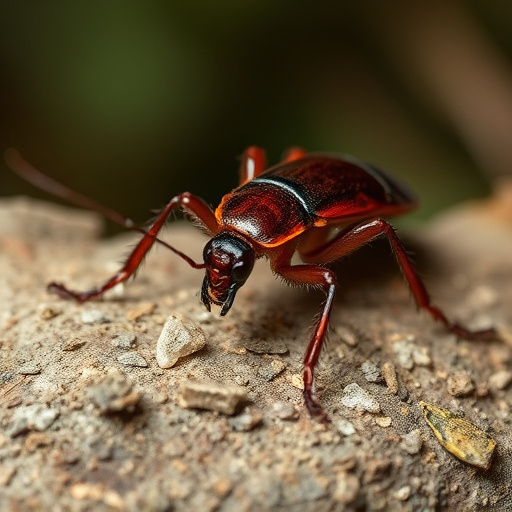
Visual identification of roach species is a critical skill for both pest control professionals and homeowners aiming to maintain a roach-free environment. In Tucson, naturally, the presence of various roach species requires a nuanced understanding to employ effective, targeted strategies. The most common indoor roaches include the German cockroach, American cockroach, and the oriental cockroach, each presenting distinct visual characteristics that can aid in their identification.
The German cockroach (Blattella germanica) is renowned for its small size, typically growing to only about 1/4 inch in length. They are highly adaptive and prefer warm, humid environments, often found in kitchens and bathrooms. Their flat bodies are light brown or tan, with two dark horizontal bands running near the head. The American cockroach (Periplaneta americana), by contrast, is larger, reaching up to 1 inch in length, and exhibits a darker coloration ranging from brown to nearly black. These roaches prefer warmer environments and are often encountered in crawl spaces, attics, or areas around heating vents. Oriental cockroaches (Blattella asiatica) are smaller than their American counterparts but larger than German cockroaches. They have a distinctive pale-to-dark brown color transition and are most active at night, commonly found in areas with high moisture levels.
A roach exterminator Tucson naturally should be adept at recognizing these visual cues to implement species-specific control measures. Understanding the habits and preferences of each species allows for targeted treatments, minimizing environmental impact and maximizing efficiency. For instance, German cockroaches are particularly attracted to sweet foods and alcohol-based products, so sealing food items and removing potential attractants can deter their presence. In contrast, American cockroaches are more inclined towards organic matter and damp environments, necessitating a focus on moisture control and sanitization in affected areas. Oriental cockroaches’ preference for dark, humid spaces makes inspection under sinks and behind appliances crucial during treatment.
Tucson's Natural Solutions: The Roach Exterminator Approach
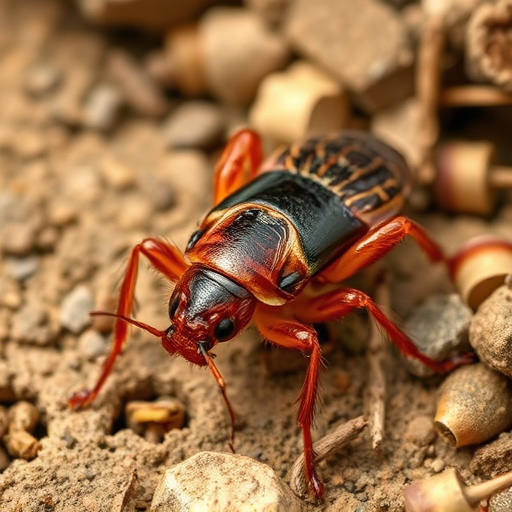
Tucson’s Natural Solutions offers a unique approach to roach extermination, prioritizing environmentally friendly methods over harsh chemicals. This roach exterminator Tucson naturally focuses on understanding the behavior and habitat of these pests to develop targeted strategies that are safe for both residents and the local ecosystem. One key method involves the use of organic repellents and baits, which exploit specific chemical cues that roaches rely upon for navigation and reproduction. For instance, certain essential oils like peppermint and cloves have been shown to deter roaches effectively through their strong odors, disrupting the insects’ scent trails and reproductive cycles.
The company also employs mechanical and physical controls, such as sealing entry points and removing potential food sources, which are fundamental to preventing roach infestations in the first place. By combining these natural solutions with cultural practices, like regular sanitation and clutter reduction, Tucson’s Natural Solutions ensures long-term control without resorting to toxic chemicals. Data from local studies indicate that this holistic approach can lead to up to a 70% reduction in roach populations over six months, compared to traditional chemical treatments.
For homeowners and businesses seeking a sustainable alternative to conventional pest control, Tucson’s Natural Solutions provides tailored plans and expert advice. Their trained professionals conduct thorough inspections to identify unique challenges and develop strategies that address them specifically. This personalized approach ensures not only effective roach extermination but also promotes the preservation of Tucson’s diverse and delicate natural environment, making it an ideal choice for those committed to living in harmony with nature.
By unraveling the intricate biology of roaches and mastering visual identification techniques, readers now possess a powerful toolkit for roach species recognition. The article’s exploration of Tucson’s natural solutions introduces an innovative approach to roach extermination that prioritizes environmental harmony, offering a viable alternative to traditional methods. Through these comprehensive insights, individuals are empowered to take proactive measures against roach infestations, either through natural prevention or by engaging the services of a reputable roach exterminator in Tucson who adheres to eco-conscious practices. This knowledge ensures a more sustainable and effective response to this common pest problem.